-
Spain Grants Legal Protection to Bumblebees, Hoverflies and a Butterfly for the First Time in a Historic Step Towards Pollinator Conservation
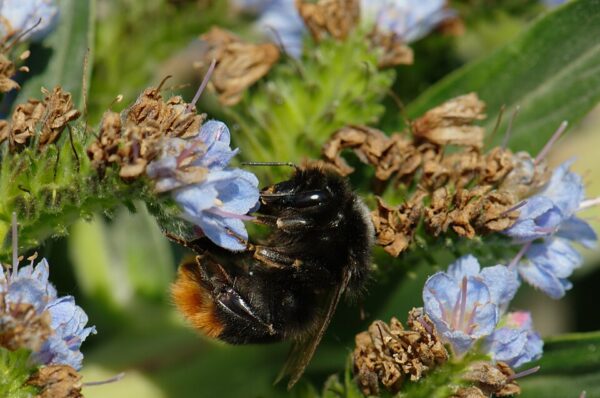
Spain has taken a historic step towards insect pollinator conservation by extending legal protection to seven species found within its territory. Published on 19 October in the Official State Gazette (Boletín Oficial del Estado), the measure marks the first time that bumblebee and hoverfly species have been included in Spain’s national biodiversity protection frameworks. Four…
-
Bioassays with the iberian honey bee
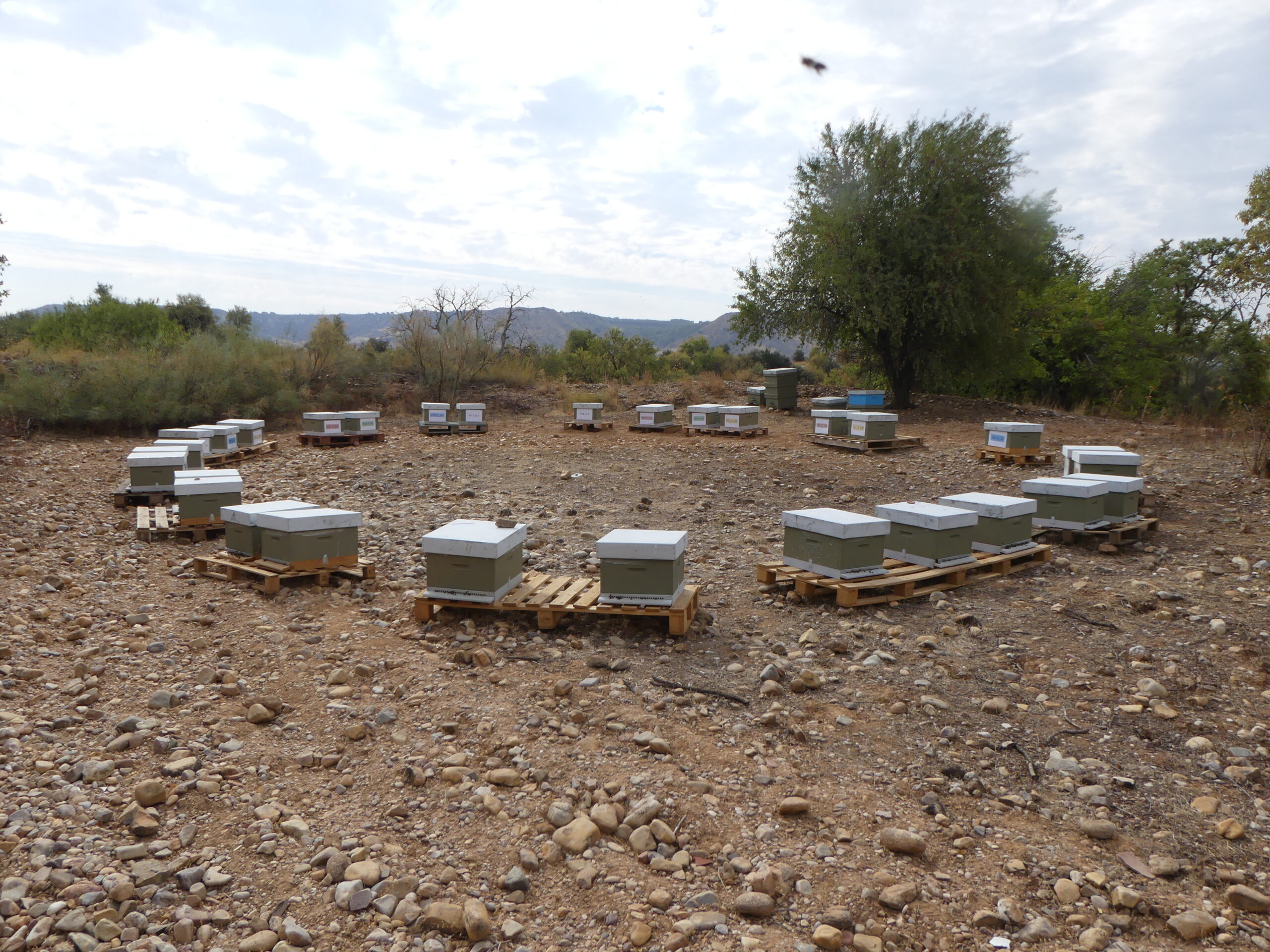
Honey Bee Bioassays Reach the Halfway Point The honey bee bioassays using the Iberian honey bee (Apis mellifera iberiensis) have now passed the halfway point of the eight-week experimental period. As part of the Cyanoservices project, the Spanish team is investigating the potential effects of cyanotoxins produced by cyanobacteria on honey bee populations. The study…
-
CyaNoServices Project at GLEON 2026
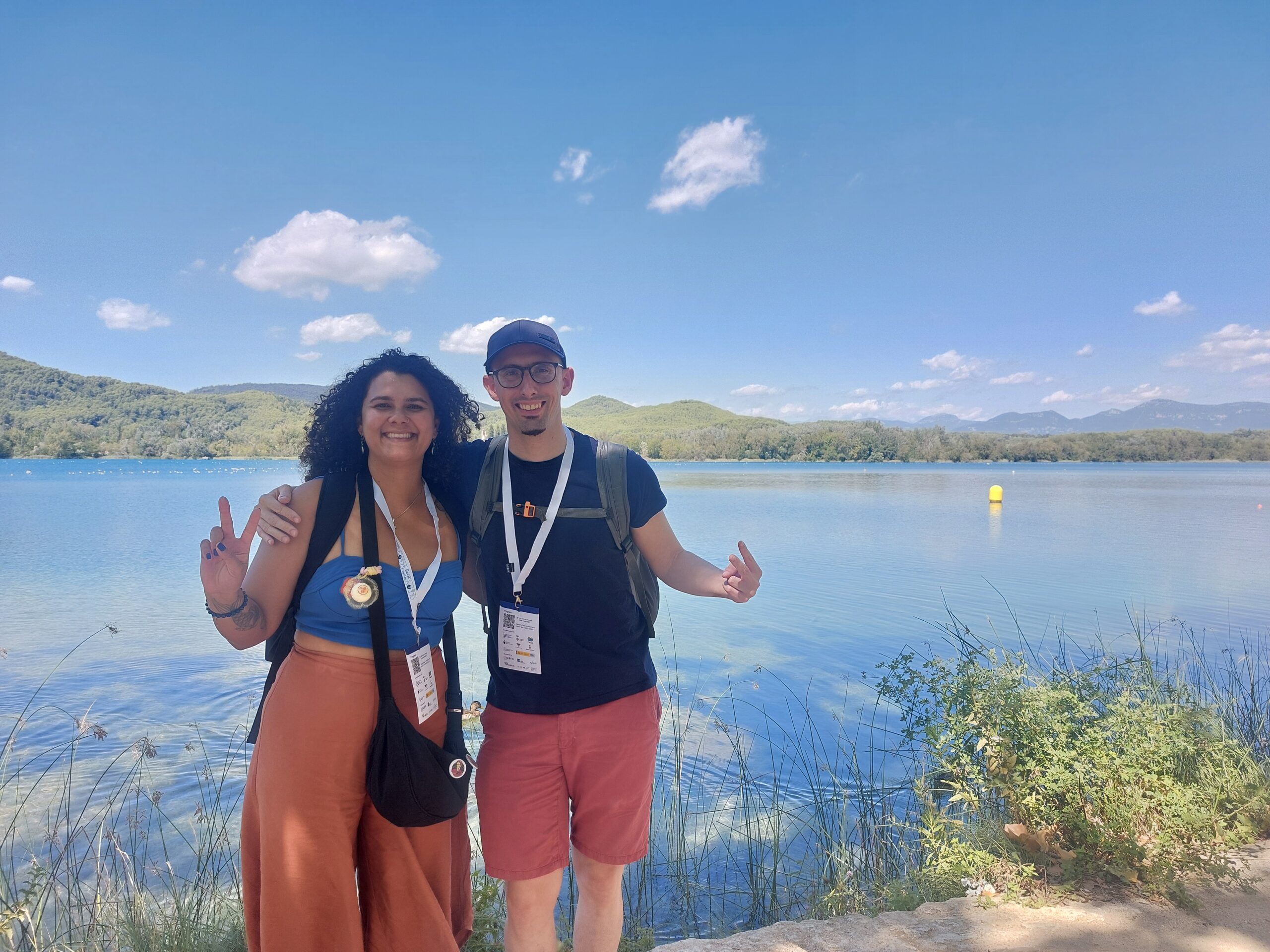
From 28 August to 4 September 2026, our colleagues Fernando Chaguaceda and Irma Carvalho e Silva attended the GLEON (Global Lake Ecological Observatory Network) All Hands Meeting 2026, held in Girona, Spain, at Lake Banyoles, where they presented a poster, enjoyed fruitful discussions at the different working groups and enlarged the project’s network. The Global…
-
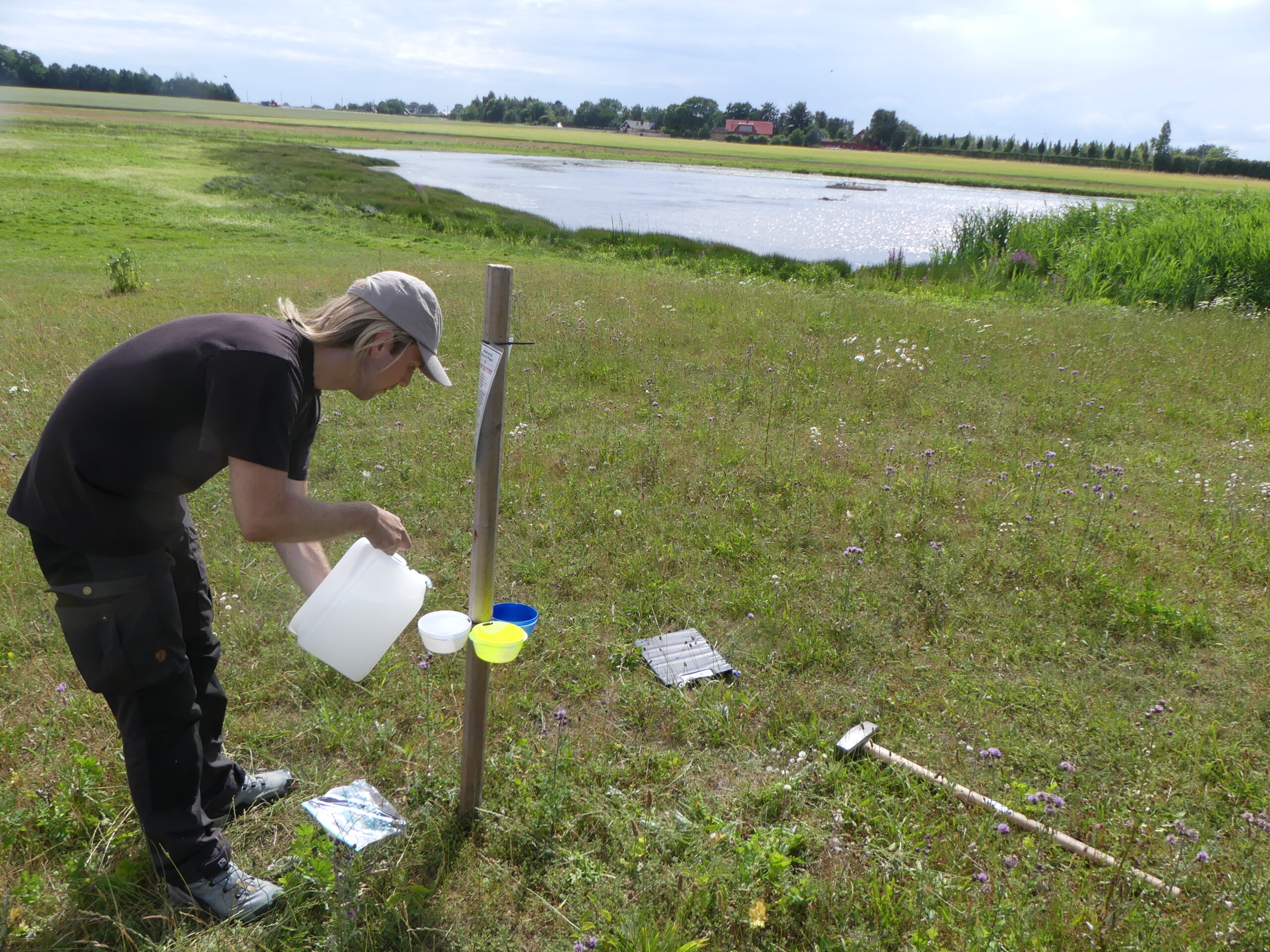
Sampling begins in Sweden
-
Osmia experiments
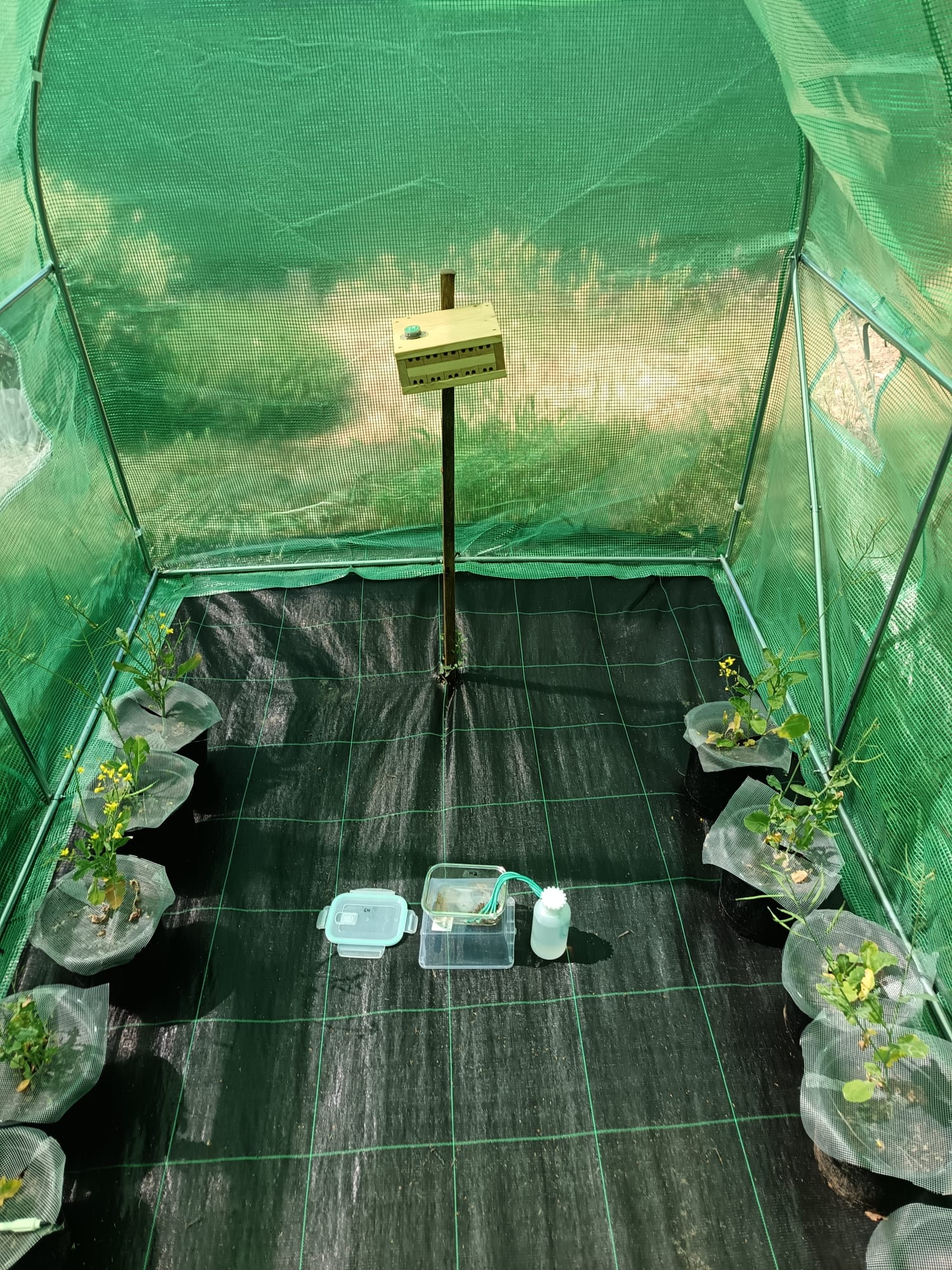
The bioassays with Osmia in Spain have begun. After marking the females with two different colors, we placed them in experimental cages to evaluate their behavior, mortality, fitnes cost etc., following exposure to cyanotoxins.
-
PintOfScience 2026
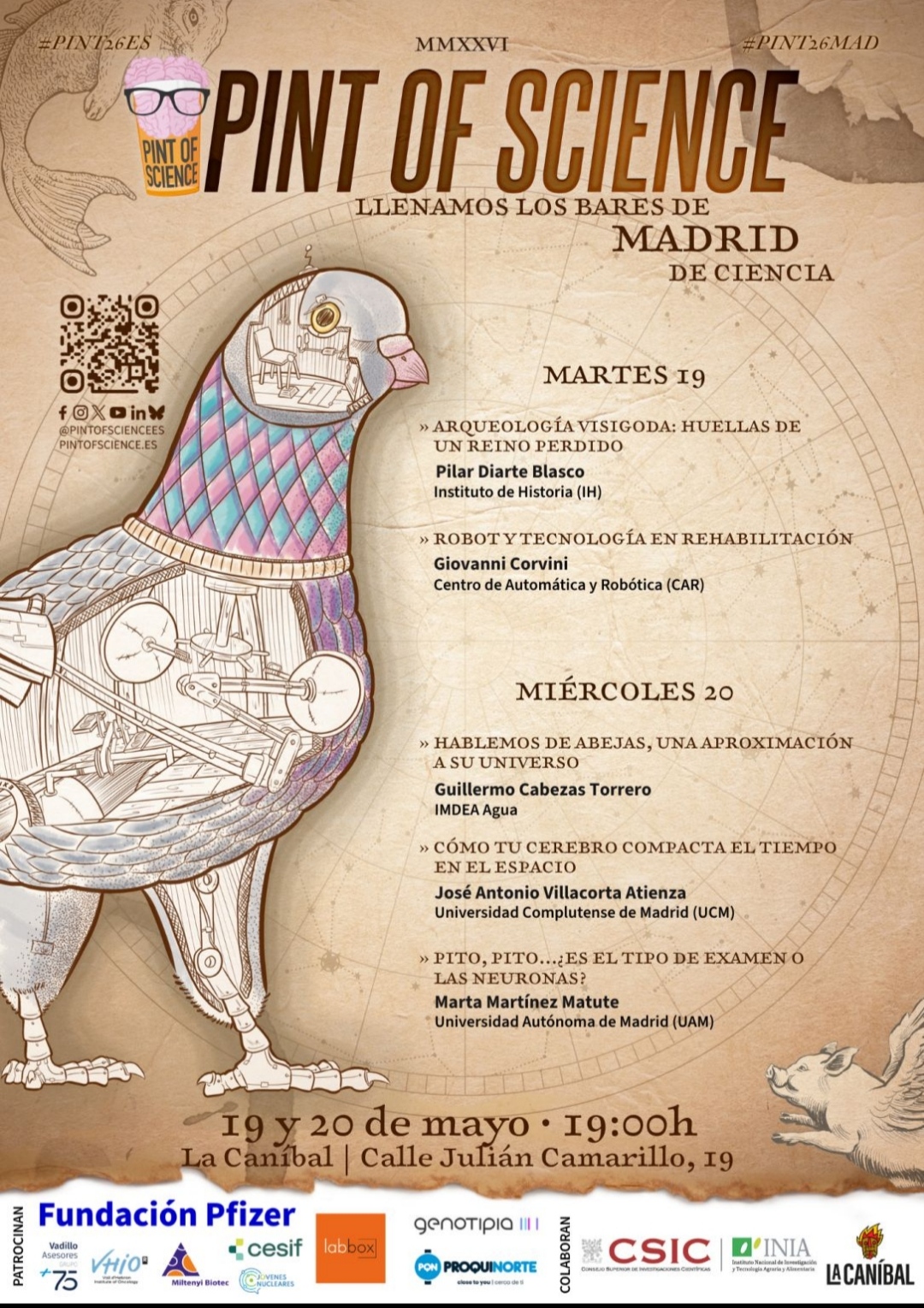
Last week, Guillermo Cabezas Torrero took part in the Pint of Science event, where he introduced wild bees, their importance in ecosystems, and the economic value they provide as an ecosystem service. A great event to celebrate World Bee Day (May 20).
-
Osmia mating
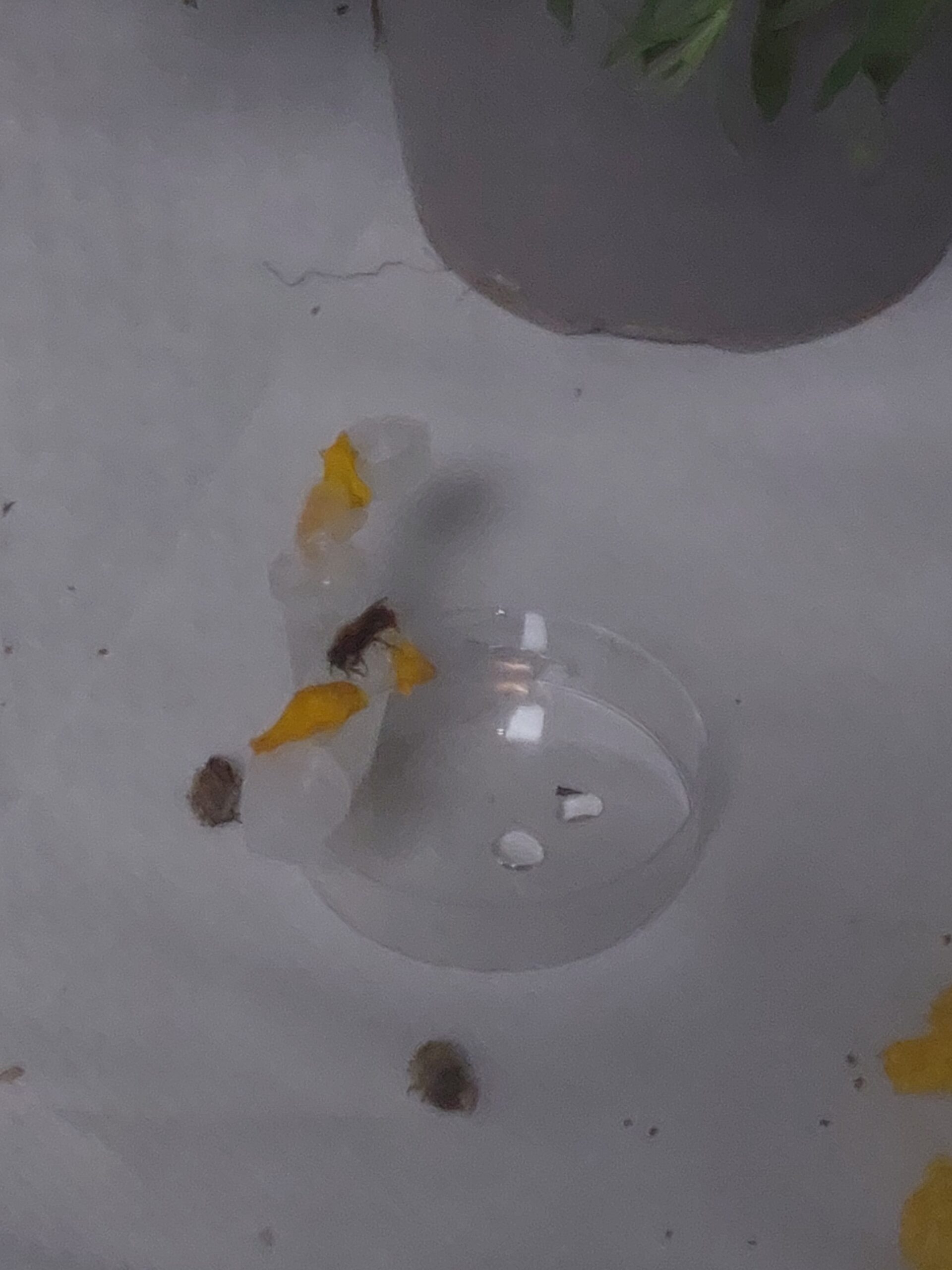
-
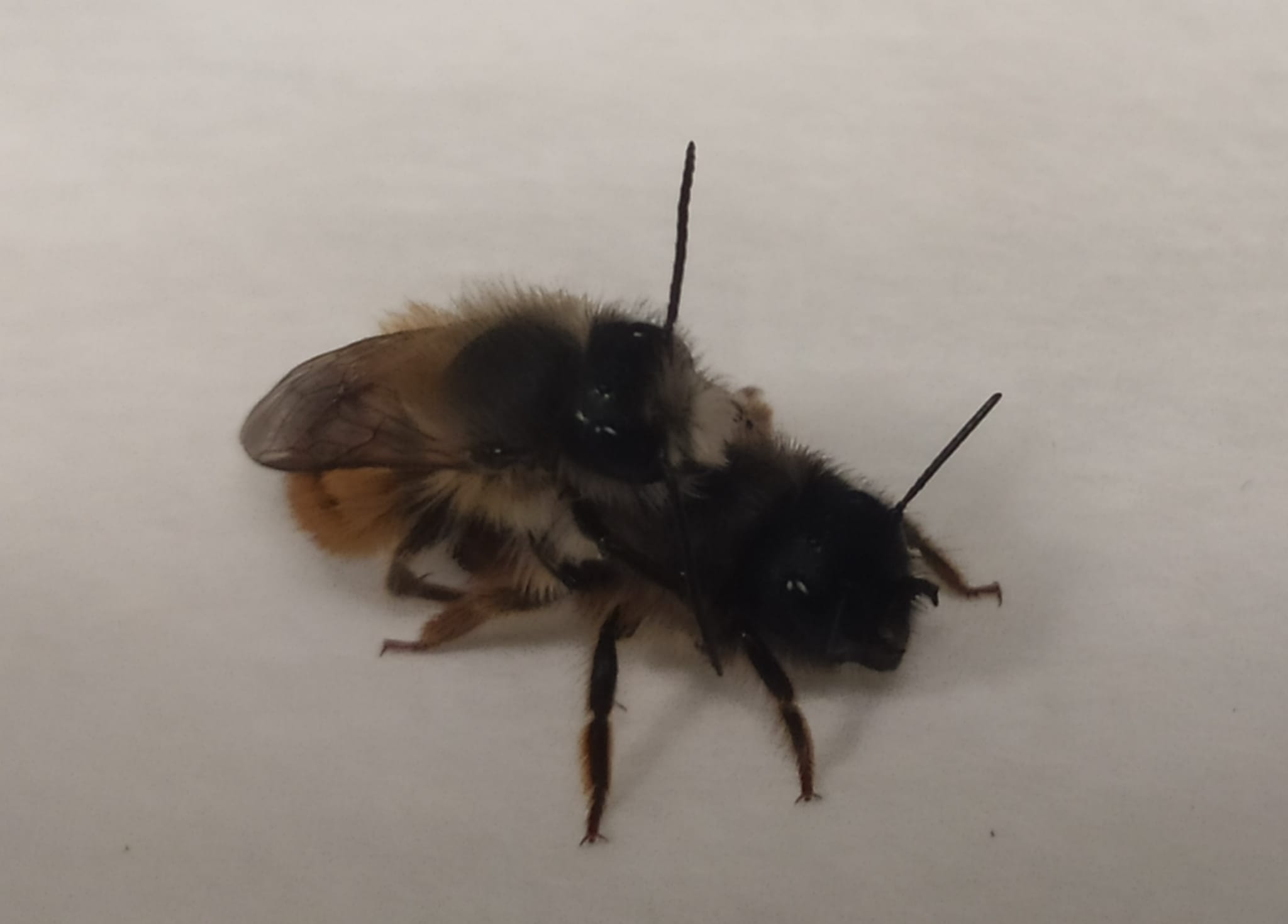
Osmia bicornis
-
Osmia experiments
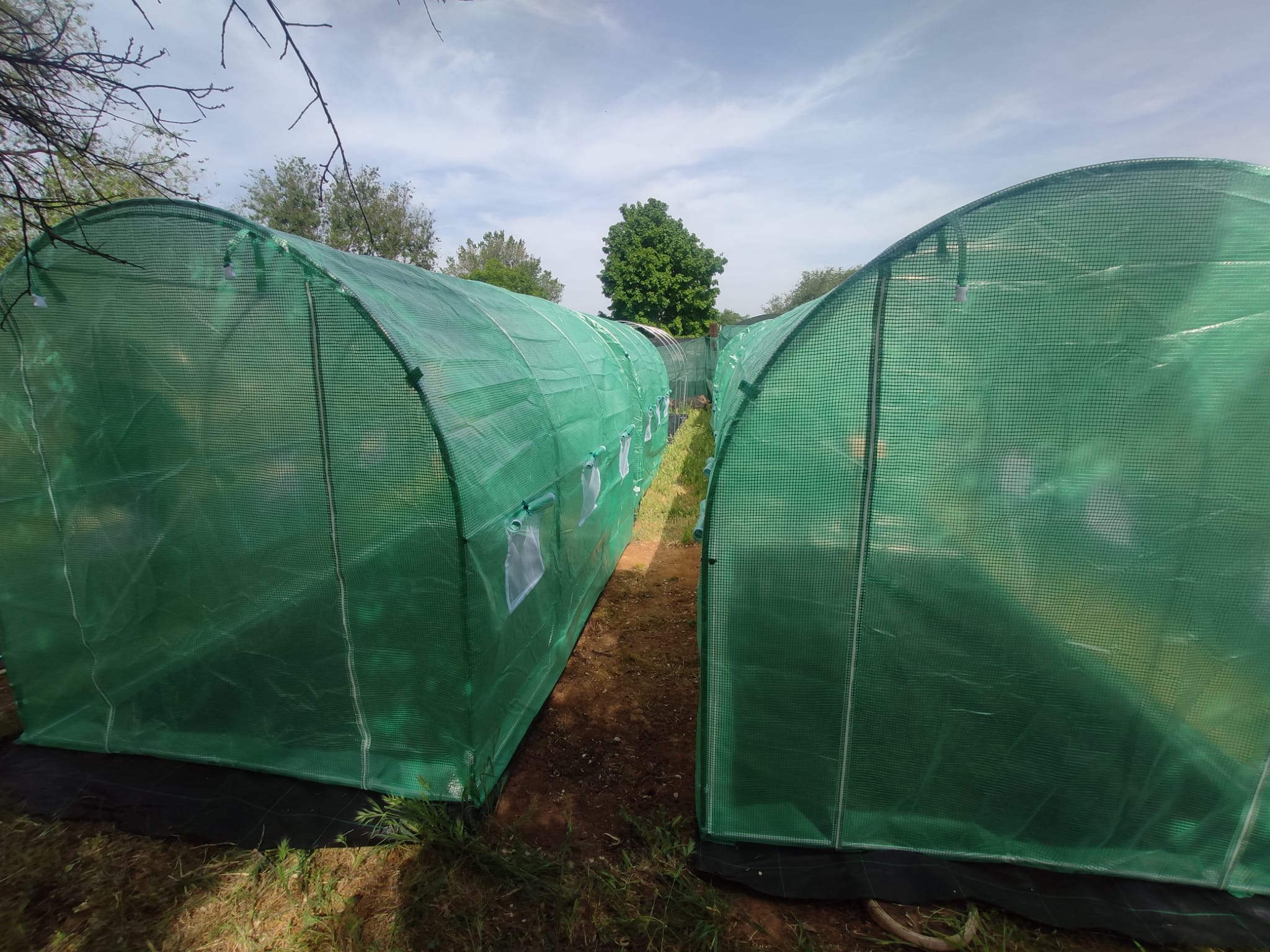
Osmia nest
-
The importance of pollinating insects
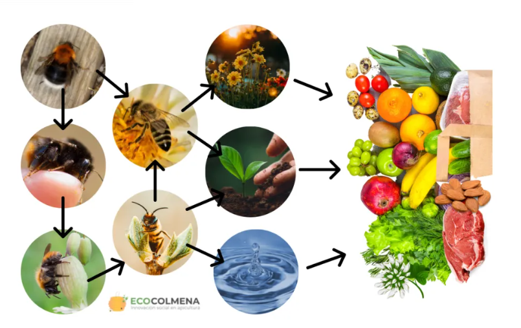
Pollinating insects are crucial not only for the maintenance of wild plants—of which 88% of flowering species depend on them—but also for agriculture, since 75% of crops intended for human consumption depend to a greater or lesser extent on these insects In economic terms, pollinating insects account for €156 billion annually worldwide, €20 billion annually…
News
Tags:
Recent News
All Categories
- Background (3)
- Conferences (4)
- Experiments (7)
- Fieldwork (1)
- Fun facts (1)
- Meetings (2)
- News (4)
- Outreach (2)
- Publications (2)
- Research (6)
- Sin categoría (1)
- Workshops (1)