Honey Bee Bioassays Reach the Halfway Point
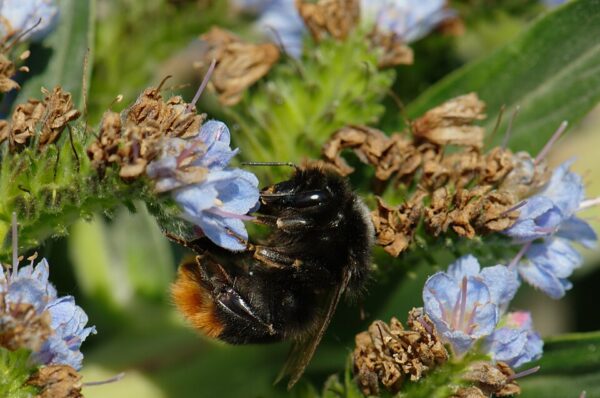
The honey bee bioassays using the Iberian honey bee (Apis mellifera iberiensis) have now passed the halfway point of the eight-week experimental period.
As part of the Cyanoservices project, the Spanish team is investigating the potential effects of cyanotoxins produced by cyanobacteria on honey bee populations. The study aims to provide a better understanding of how exposure to these compounds may affect honey bee colonies and their overall performance.
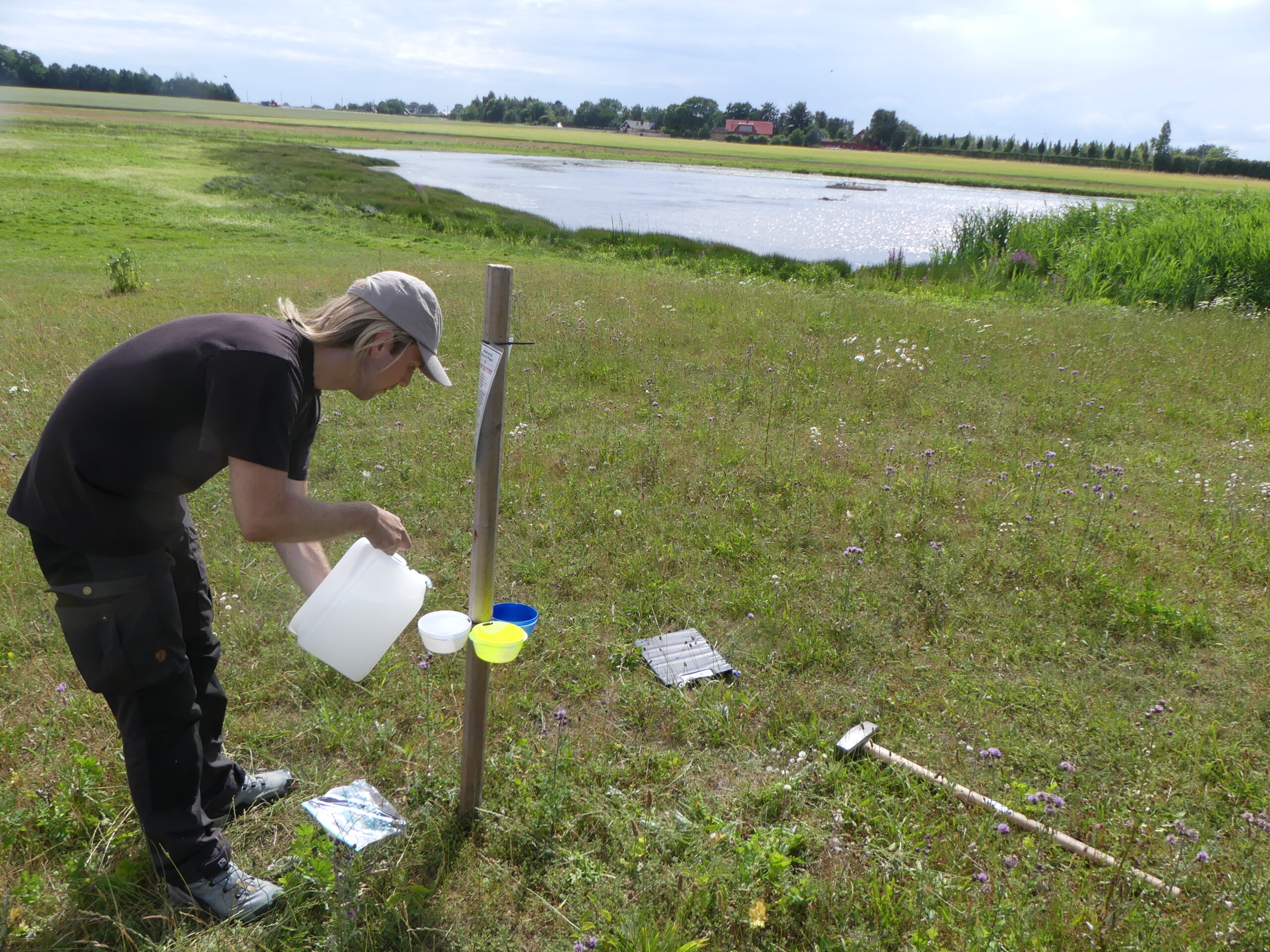
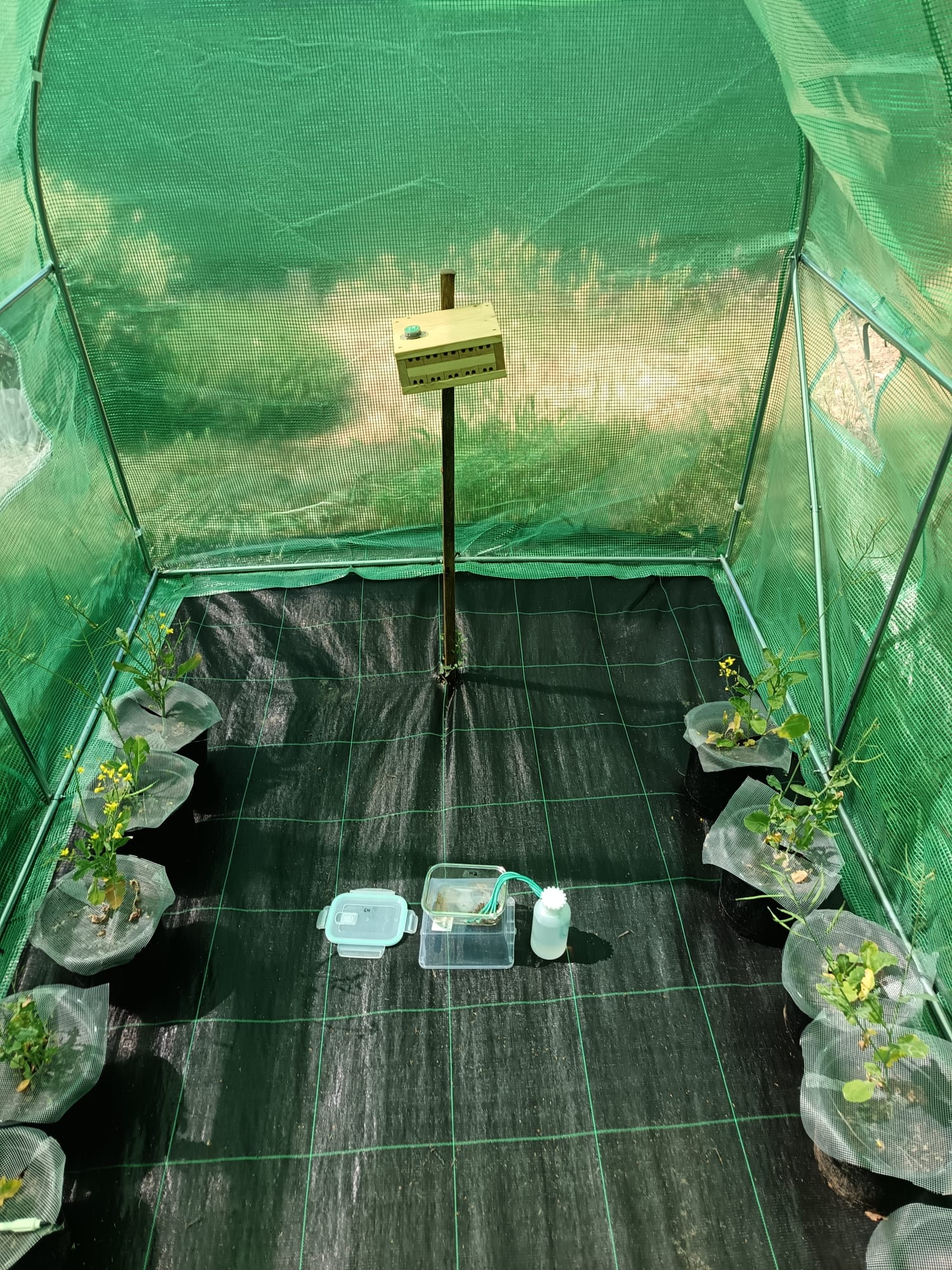
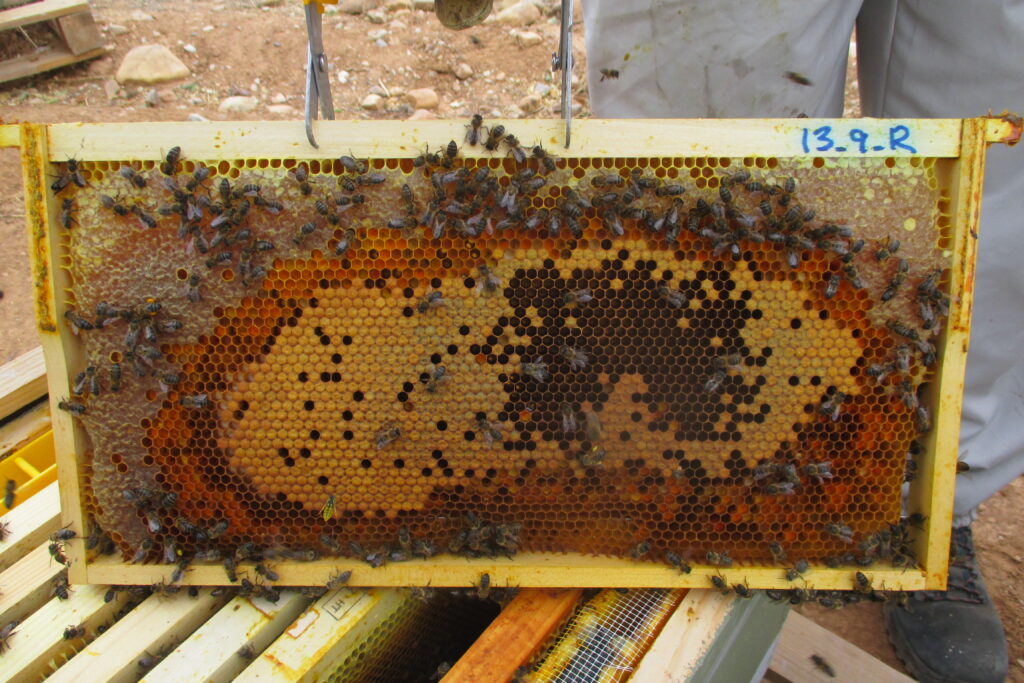
The experiments are assessing a range of potential effects, including changes in colony abundance, brood development, thermoregulation, and foraging activity. By monitoring these parameters throughout the experiment, the team hopes to identify both direct and less visible effects of cyanotoxin exposure on honey bee colonies.
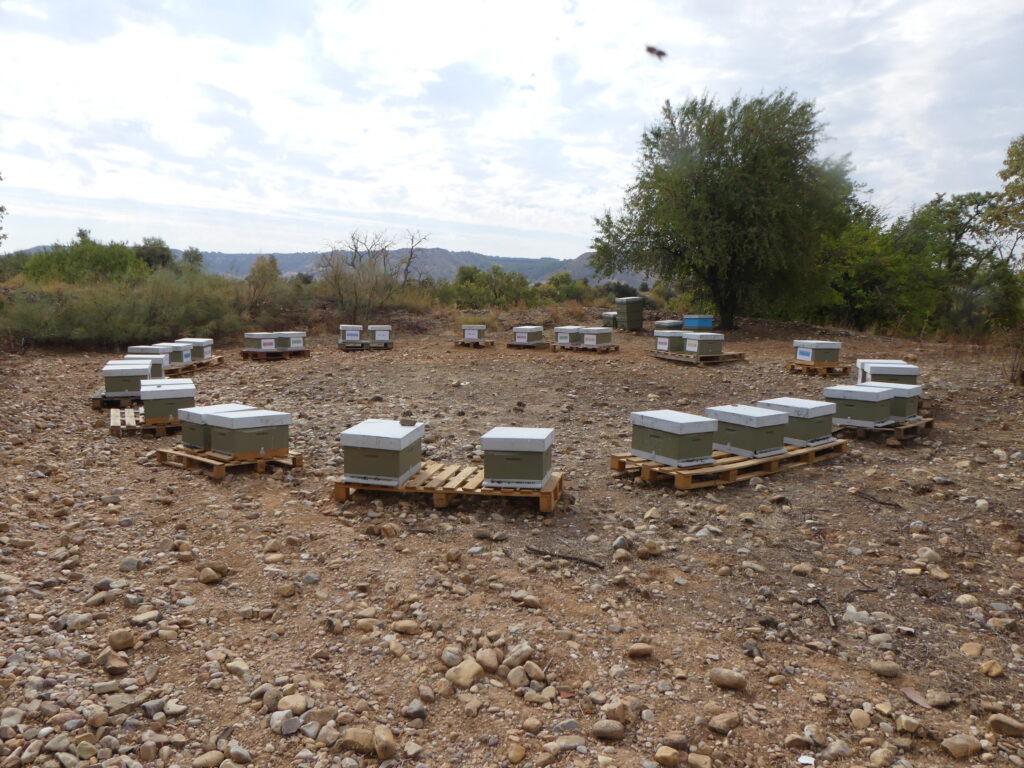
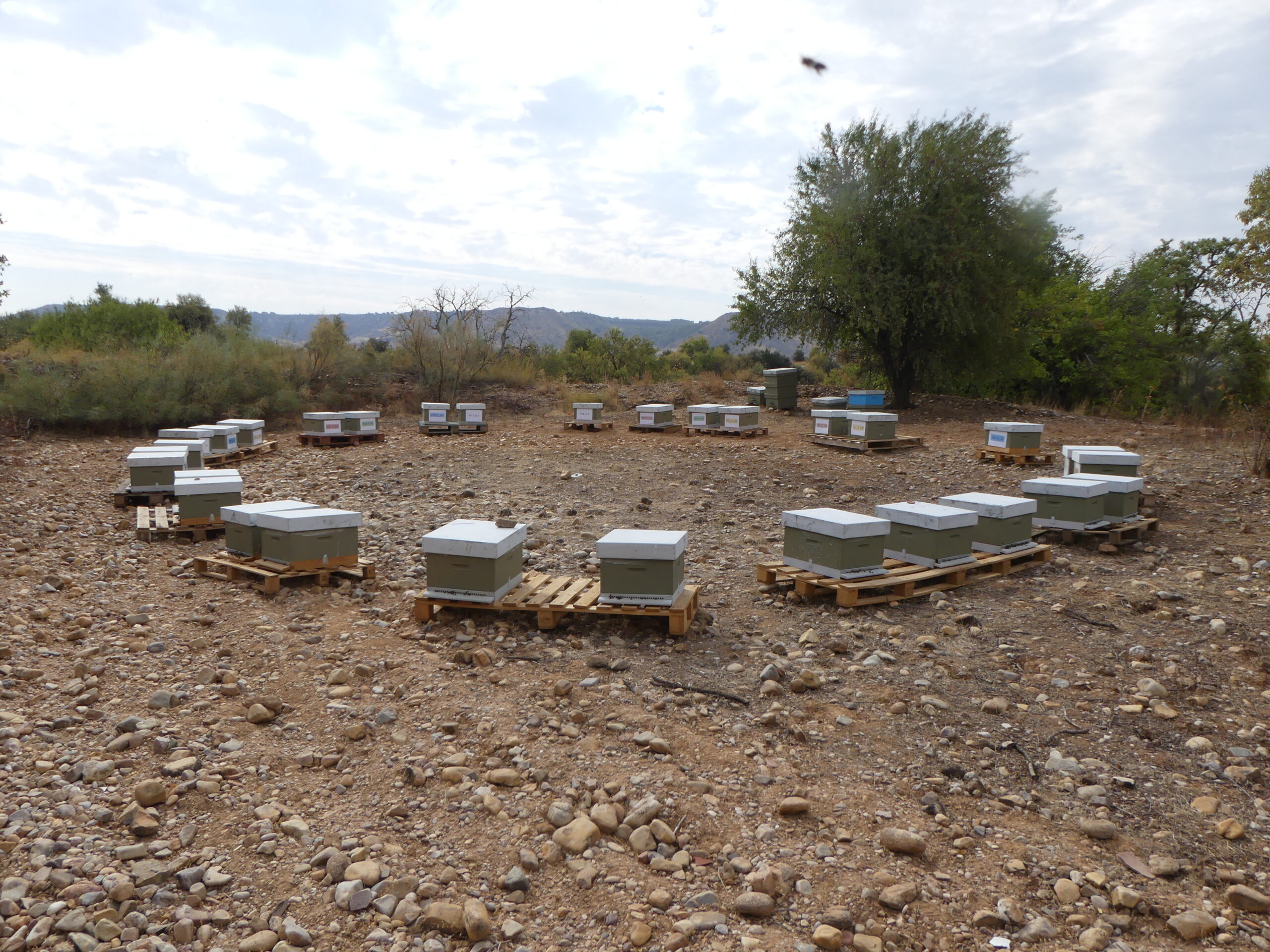
To carry out the study, 30 honey bee colonies have been established and are being exposed to different treatments based on increasing concentrations of cyanotoxins. This experimental design will allow the researchers to investigate whether the intensity of the effects varies depending on the level of exposure.
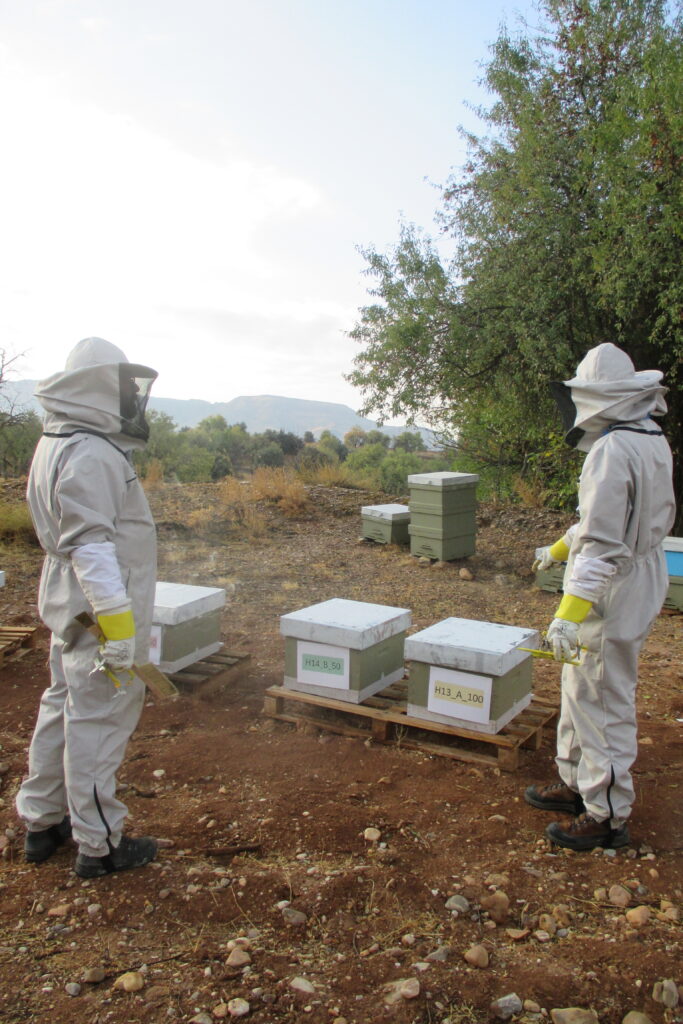
With more than half of the experimental period now completed, the team is continuing to monitor the colonies closely. The results obtained during the remaining weeks will provide valuable insights into the potential risks that cyanotoxins may pose to honey bees and contribute to a better understanding of the interactions between cyanobacteria, aquatic ecosystems, and pollinators.
Stay tuned to our website, where we will continue to share updates and keep you informed about the progress and results emerging from these bioassays.